
Type in your search and hit Enter on desktop or hit Go on mobile device
Richardson Bay Audubon Center & Sanctuary is ground zero for wintering waterbirds and Pacific herring in the San Francisco Bay. Our Center consists of 10.5 acres of trails and gardens that are open year-round. We invite visitors to wander our half-mile hillside path through oak woodlands and explore a stretch of unspoiled shore with scenic views. Our Center is open Monday through Friday between 9am and 5pm. Please understand that our site is a haven for wildlife, and pets are not allowed.
Our Sanctuary encompasses 900 acres of subtidal Richardson Bay. A unique eelgrass ecosystem underpins the Bay, and conservation efforts are focused on protecting and restoring this critical habitat. It is closed to boat traffic and in-water activities, including kayaking and paddle boarding, from October 1st to March 31st each year to provide shelter for migrating waterbirds. Visitors can view the Sanctuary’s abundant shorebirds and other wildlife from the adjacent historic Richardson Bay Rail Trail.
Richardson Bay Audubon Center & Sanctuary is part of a nation-wide network of National Audubon Society nature centers, chapters, and programs focused on bird conservation and public engagement. We host children’s summer camps, a youth conservation leadership program, and provide numerous volunteer opportunities.

Come see the beauty of Richardson Bay for yourself! Explore our native plant gardens, take a stroll on the beach, have a picnic to the tune of sparrow song or stop by for a guided bird walk.
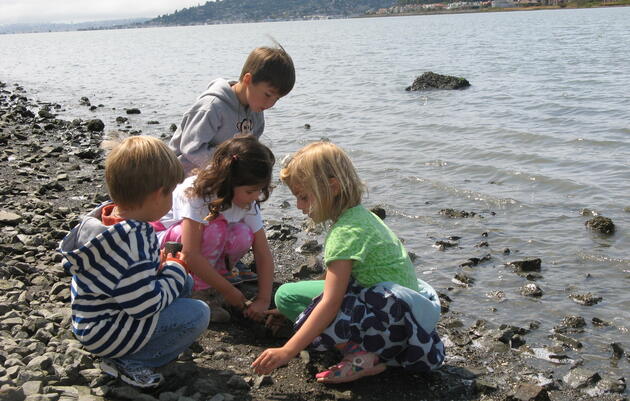
Our inclusive programming is perfect for nature-lovers between the ages of 4 and 7. From bugs to birds and everything in between, campers will be fully immersed in the magic of the outdoors.

Audubon's mission is to conserve and restore natural ecosystems, focusing on birds, other wildlife, and their habitats for the benefit of humanity and the earth's biological diversity.
Help us engage future conservation leaders! When you sponsor a youth leader, you help the birds.

Begin your volunteer journey today by finding the perfect fit for your talents.

Our bi-monthly e-newsletter is filled with incredible updates about our work.